

How to get Xanax
Table of Contents
How to get Xanax?
Get Xanax from trusted sources only.
| Thumbnail | Name | Categories | Date | Price | Buy |
|---|---|---|---|---|---|
 | Xanax alprazolam 1mg generic tablets | Sleep disorder | 2020-07-01 08:56 | £25.00 – £311.00 | Add to cart This product has multiple variants. The options may be chosen on the product page £25.00 £83.00 £113.00 £182.00 £311.00 |
You can get Xanax from pharmacies, and you can also get it from online websites.
How to get Xanax?
Pharmastores, one of the most trusted websites in the UK.
Xanax is a benzodiazepine belonging drug.

The active constituent: Alprazolam.
The same family contains Diazepam, midazolam, and also clonazepam.
Benzodiazepines are a family of drugs that are mainly used to treat anxiety and other medical conditions.
Uses of benzodiazepines:
- Anxiety
- Panic disorders
- Convulsions
- Insomnia (sleeping problem)
They are also used in:
- General anesthesia
- Sedation before having surgery or any invasive diagnostic procedures
- Muscle relaxation
- Alcohol withdrawal symptoms
- Agitation associated with drugs
- Nausea and vomiting
- Depression
- Panic attacks
Benzodiazepines differ from each other in different aspects, the onset of action, how long they stay in your body, and the common uses for each drug.
Xanax is an intermediate-acting drug with a duration of action up to 20 hours.
Uses of Xanax:
- Anxiety
- Panic disorders
- Anxiety associated with depression
- Off-label use in premenstrual syndrome
Dosing and administration:
Xanax is available only in oral dosage forms, tablets, extended-release tablets, orally disintegrating tablets, and oral solutions.
Xanax is not recommended to be used in children younger than 18 years old.
Anxiety:
- 25 – 0.5 mg 3 or 4 doses a day
- Maximum dose: 4 mg a day
Panic disorder:
Immediate-release tablets
- 5 mg 3 doses
- Average dose: 5 – 6 mg a day
- Maximum dose: 10 mg a day divided into 3 doses
- In Geriatrics: The starting dose is decreased to 0.25 to be taken 2 or 3 times a day.
The dose may be increased if needed to 5 – 6 mg a day as an average dose.
Extended-release tablets
- 5 – 1 mg a day
- Average dose: 3 – 6 mg a day
- In Geriatrics: Start with 0.5 mg a day.
The dose may be increased if needed to 3 – 6 mg a day.
Anxiety associated with depression:
- 1 – 4 mg a day divided into 3 doses
- In Geriatrics: the starting dose is decreased to 0.25 mg 2 to 3 doses a day.
The dose may be increased to 1 – 4 mg a day divided into 3 doses.
Premenstrual syndrome:
- 25 mg 2 to 4 doses
- The treatment is started on the 16th – 18th day from the start of menses
Dosing considerations:
- Renal impairment: it should be used with caution, it is not studied
- Advanced hepatic impairment: The dose is decreased and may be increased if needed and as tolerated
You have to keep attention to the instructed dose to avoid overdosing, or else it may cause serious effects including drowsiness, confusion, coordination problems, and loss of consciousness.
If you suffered from any of these symptoms, go to the nearest hospital or call an ambulance.
Interactions:
Drug-drug interactions
Contraindicated drugs:
- ketoconazole
- tipranavir
Serious – use an alternative drug:
- abametapir
- apalutamide
- benzhydrocodone/acetaminophen
- calcium/magnesium/potassium/sodium oxybates
- carbamazepine
- chloramphenicol
- cimetidine
- clarithromycin
- cobicistat
- erythromycin base
- erythromycin ethylsuccinate
- erythromycin lactobionate
- erythromycin stearate
- hydrocodone
- idelalisib
- itraconazole
- ivosidenib
- ketoconazole
- lonafarnib
- lopinavir
- metoclopramide intranasal
- nefazodone
- rifabutin
- rifampin
- saquinavir
- selinexor
- sodium oxybate
- St John’s Wort
- sufentanil SL
- valerian
- voxelotor
Other drugs need close monitoring when concomitantly used with Xanax, always discuss with your doctor the used drugs before taking a new one.
Drug-smoking interactions
Smoking decreased the drug blood levels.
Tell your doctor if you are a cigarette smoker or if you have recently stopped smoking.
Drug-alcohol interactions
Drinking alcohol while using Xanax may cause dangerous side effects.
Sedation, Mood and Behavioral changes, Memory impairments, in addition to headaches, hypotension, and blurred vision may occur.
Drug-grapefruit interactions
Using grapefruit with Xanax may lead to a list of undesirable side effects, so avoid eating grapefruit or drinking grapefruit juice while taking Xanax.
How to get Xanax?
Well, before getting Xanax, you have to be aware of the side effects caused by it.
Common side effects:
- Drowsiness
- Light-headedness
- Headache
- Tiredness
- Dizziness
- Irritability
- Increased talkativeness
- Concentrating difficulties
- Dry mouth
- Increased salivation
- Changes in sexual desire
- Nausea
- Constipation
- Appetite changes
- Weight changes
- Urinating difficulties
- Joint pain
Serious side effects:
- Shortness of breath
- Seizures
- Severe skin rash
- Confusion
- Yellow skin and eyes
- Speech difficulties
- coordination and balance problems
You have to seek immediate medical attention if you suffered any of the above side effects.
Tell your doctor about any new or worsening symptoms to reduce the dose or stop the drug.
How to get Xanax?
Xanax can be obtained from the internet like pharmastores website, but you have to make sure to take it under the supervision of a doctor as it is a controlled substance, and may lead to misuse.

Long term effects of Xanax
Table of Contents
Long term effects of Xanax
Xanax is a very famous drug used in treating anxiety, panic disorders, anxiety combined with depression.
if you take Xanax reasonably, there is no problem at all.
| Thumbnail | Name | Categories | Date | Price | Buy |
|---|---|---|---|---|---|
| Xanax alprazolam 1mg generic tablets | Sleep disorder | 2020-07-01 08:56 | £25.00 – £311.00 | Add to cart This product has multiple variants. The options may be chosen on the product page £25.00 £83.00 £113.00 £182.00 £311.00 |
It can also be used off-label in premenstrual syndrome, insomnia (sleeping problem), and depression.
Xanax can be used alone or in combination with other drugs, but if it is going to be used in combination with drugs, close monitoring by a doctor is a must, as Xanax interacts with many drugs which may cause serious side effects.
In this article, we will talk about the common and less common side effects, and the short-term and long-term effects of Xanax.
But before doing that, we should get to know what is Xanax, how does it work, and special warnings concerning using the drug.
What is Xanax, and how does it work?
Xanax’s generic name is alprazolam, which acts on the brain and the central nervous system.
It enhances a specific chemical substance called GABA (Gama amino-butyric acid) which produces a calming effect.

How to use Xanax? ( in Long term effects of Xanax )
Before taking any medicine you have to read the medication guide carefully, and if you have any inquiries, consult with your doctor or pharmacist.
Xanax is only available in oral dosage forms.
Dosage is determined based on medical condition, age, and response to treatment.
Your doctor will start the treatment with a low dose then increases it when needed till getting control of the medical condition.
Make sure to take the drug exactly according to the instructions of your doctor to avoid the short-term and long-term effects of Xanax.
Take Xanax with the dose and duration exactly determined by your doctor to avoid misuse and addiction.
This risk increases especially if you have a history of any abuse of drugs or alcohol.
6.6% of patients 12 years and older have been reported to abuse Xanax in the last year.
Always inform your doctor about any new or worsening symptoms throughout the treatment.
The onset of action:
Xanax is a fast-acting drug that takes less than one hour to work.
Its effects may last from 4 – 8 hours.
But these effects differ from one patient to another.
Factors affecting the difference in effects during Long term effects of Xanax
- Individual physical condition, like age, weight, and height
- Combination of Xanax with other drugs
- Whether tolerance has been developed or not
Side effects:
Side effects vary into different types, serious, common, and less common side effects.
There are also short-term and long-term effects of Xanax.
Serious side effects include
- Depression
- Suicidal thoughts
- Racing thoughts (Overwhelming, fast and repetitive thoughts)
- High energy
- Suicidal behaviors
- Confusion
- Agitation (anxiety and nervousness)
- Hostility
- Hallucinations
- Uncontrolled muscle movements
- Tremors
- Convulsions
- Increased heartbeats or fluttering in the chest
Common side effects include
- Drowsiness
- Tiredness
- Slurred speech
- Coordination and balance problems
- Memory problems
- Feeling anxious especially in the mornings
- Nausea
- Constipation
- Dry mouth
- Fatigue
- Joint pain
- Headache
- Dizziness
- Irritability
- Problems in concentration
- Changes in sexual desire
Less common side effects include
- Shortness of breath
- Severe behavioral changes
- Appetite changes
- Urinary incontinence (inability to control the passing of urine sometimes)
Short term effects of Xanax:
The Neuropathology of Drug Addictions and drug abuse stated that using Xanax for a short period may cause the following effects.
- Sedation
- Significant reduction in anxiety and stress
- Lightheadedness
- Decrease in thinking speed
- Decrease in reflex reactions
- Decrease in impulse controlling (problems in controlling emotions and behaviors)
- Decrease in taking rational decisions ability
- Decrease in respiration rate and heart rate
- Hypotension in Long term effects of Xanax
- Tolerance development
Long term effects of Xanax:
Xanax is not a drug to be used for a long period.
The use of Xanax should be re-evaluated by your doctor every while, especially since using it for a long time increases the risk of abuse and serious side effects.
These Long term effects of Xanax include
- Cognitive dysfunction
- Depression
- Delusions
- Hallucinations
- Impulsiveness (Behaving without thinking or controlling of the action)
- Aggressive behavior
- Hostility
- Learning difficulties
- Memory problems
- Incoordination
If the use of Xanax reached an abusive behavior, other effects may occur:
- Marital problems
- Working problems
- Family and friends problems
- Financial problems
A combination of Long term effects of Xanax with alcohol, or other drugs may increase the risk of dangerous side effects.
- Combination with alcohol may cause breathing difficulties and liver damage.
- FDA (Food and Drug Administration) has addressed a black box warning concerning the mixed-use of Xanax with opioids.
This may result in profound sedation (Deep sleep with high difficulty of waking up), respiratory depression, coma, and death.
- Using Xanax with itraconazole and ketoconazole is completely contraindicated, as it may stop the breaking down of Xanax which may be extremely dangerous.
Pregnancy and lactation:
The use of Xanax in pregnancy is only allowed when there are no other alternatives and the use of Xanax is a must.
Increased congenital malformations might happen with the use of Xanax.
There are no enough studies to ensure the drug-related risks.
There is evidence of the secretion of Xanax in human milk.
It is not recommended to be used in lactation.
Always confirm the mentioned information with your health care provider.

Alprazolam 1mg
Table of Contents
Alprazolam 1mg
Alprazolam 1mg is an anxiolytic drug belonging to a group called benzodiazepines. Alprazolam 1mg is used mainly to treat anxiety and panic attacks has a very bad side effects profile.
| Thumbnail | Name | Categories | Date | Price | Buy |
|---|---|---|---|---|---|
| Xanax alprazolam 1mg generic tablets | Sleep disorder | 2020-07-01 08:56 | £25.00 – £311.00 | Add to cart This product has multiple variants. The options may be chosen on the product page £25.00 £83.00 £113.00 £182.00 £311.00 |
There are some warnings you need to know before starting alprazolam:
- Alprazolam 1mg can cause slowed or trouble breathing and even death if used concurrently with Opioid drugs like codeine, oxycodone, and morphine. Opioids drugs are used to manage pain and sometimes cough. If you are feeling sleepy or dizzy or have trouble breathing while taking both drugs, seek immediate medical advice.
- Using benzodiazepines including alprazolam is associated with a high risk of addiction, misuse, and abuse especially with higher doses and prolonged use. These problems can be a potential cause for death and the risk increased if alprazolam used with alcohol or street drugs. Addiction can happen even with the usual doses prescribed by the doctor. Ask for help if you had any changes in mood or behavior, trouble breathing, seizures, or suicidal thoughts or actions.
- You must be observed closely to avoid become addicted or misuser or abuser to this drug.
- Alprazolam 1mg is associated with dependence. Sudden stopping or fast lowering of the dose can lead to withdrawal symptoms and this condition could be life-threatening and increased with a longer duration of therapy and high doses. If you stopped alprazolam or reduce doses, watch out for the withdrawal symptoms which include:
- trouble controlling body movements
- seizures
- changes in behavior or mood like or thoughts of suicide, depression
- thoughts of harming someone
- hallucinations (seeing or hearing things that are not there)
- losing contact with reality
- moving around or talking a lot
- anxiety
- trouble with memory, learning, or focusing;
- trouble sleeping
- burning, numbness, or tingling
- weakness, shaking, muscle twitching
- ringing in the ears
Withdrawal signs take several months to subside and last up to one year, talk with your doctor if you have one of them.

your doctor must know before taking the drug if you:
- Have glaucoma.
- taking any of these antimicrobial: itraconazole, Clarithromycin, or ketoconazole, as those drugs, increase the level of alprazolam and cause more side effects.
- are breastfeeding.
You must tell your doctor about any other health problems you have and did not mention here and also any drugs you are taking including (OTC, herbal drugs, vitamins, and natural products).
Take care
- If alprazolam 1mg does not work as well after a long time or at high doses do not increase the dose by your self don’t take more than prescribed as this can lead to overdose, alprazolam use can be associated with what is called tolerance.
- Avoid doing activities that required a high level of alertness until you see how this drug will affect you
- Avoid other CNS (central nervous system) depressant drugs and herbals like marijuana, cannabis and also you should stop drinking alcohol.
- Use alprazolam with caution if you are older than 65 years.
- Avoid grapefruit juice while you are taking alprazolam.
- As your doctor about alprazolam If you have phenylketonuria (PKU).
- The dose of alprazolam 1mg may be changed if you start or quit smoking, talk with your doctor or pharmacist about that.
- Do not take alprazolam 1mg while you are pregnant as it can cause harm to unborn babies.
Side effects you should monitor:
All drugs can cause side effects, side effects vary between people and the severity is different from person to person and sometimes depends on the dose.
Call your doctor if you have any of this:
- An allergic reaction can appear like trouble breathing or peeling skin with or without fever, rash, tightness in the chest or throat, wheezing, red, swollen, blistered skin, swallowing, unusual hoarseness; or swelling of the mouth, face, lips, tongue, throat, shives, itching.
- Signs of depression, anxiety, suicidal thoughts emotional ups and downs, abnormal thinking, or lack of interest in life
- Change in balance
- Shortness of breath
- Very bad dizziness or passing out
- Feeling confused
- Memory problems or loss
- Trouble speaking
- Trouble passing urine
- Trouble controlling body movements
- Muscle twitching
- A fast heartbeat
- Blurred eyesight
- Period (menstrual) changes
- Feeling dizzy, sleepy, tired, or weak
- Dry mouth
- Feeling more or less hungry
- Constipation, diarrhea, throwing up, or upset stomach
- Change in sex interest
- Sex problems
- Weight gain or loss
- Trouble sleeping
- Headache
- Sweating a lot
How to take alprazolam 1mg ?
- Take with or without food, read all the instructions before use, don’t take more than the prescribed doses.
- If you missed a dose take it as soon as you remember, but if close to the next dose skip it. Don’t take a double dose anyway.

How long does Xanax take to work
Table of Contents
How long does Xanax take to work?
Another word for how long does Xanax takes to work is something called the onset of action.
| Thumbnail | Name | Categories | Date | Price | Buy |
|---|---|---|---|---|---|
| Xanax alprazolam 1mg generic tablets | Sleep disorder | 2020-07-01 08:56 | £25.00 – £311.00 | Add to cart This product has multiple variants. The options may be chosen on the product page £25.00 £83.00 £113.00 £182.00 £311.00 |
The onset of action is the duration needed for the drug activity to be apparent, the time between taking Xanax, and the appearance of its effect.
But before talking about how long does Xanax takes to work, we have to know what is Xanax?
Xanax’s active ingredient is something called alprazolam, a drug related to a group of drugs known as benzodiazepines.
History of Xanax:
Alprazolam the generic name of Xanax was created by J.B.Hester at Upjohn Company and was patented in the 1970s.
It was approved by the FDA (Food and Drug Administration) in 1981 for its use in the treatment of anxiety and panic disorders.
Uses and indications:
- Anxiety
- Generalized anxiety disorder
- Panic disorder with several fears (Fear of open spaces and from getting outside) or without those fears
- Some off-label uses like Insomnia (sleeping problems), Premenstrual syndrome, and depression
- It can also be used for recreational uses (Using the drug to feel pleasure or having euphoria)

cheapest zopiclone online
How does Xanax work?
Xanax works on the brain and decreases the abnormal excitement happening and produces a calming effect.
It slows down the unbalanced chemicals decreasing the nervous tension and anxiety.
How long does Xanax take to work?
Xanax is rapidly absorbed in the blood after taking it orally.
It starts working in less than one hour about 49 minutes and reaches the peak concentration in 1 – 2 hours.
Xanax may cause tolerance after a while which causes a longer time to work.
Factors affecting how fast Xanax takes to get out of the body:
- Age (Older patients take longer for the drug to get out of their bodies)
- Asian race
- Smoking
- Obesity
- Alcohol abuse
- Kidney impairment
- Liver impairment
All of the above increases the time taken to eliminate the drug out of the body.
Like many other drugs, patients react differently according to the response, side effects, and elimination time.
Factors affecting how the drug affects you:
- Mental health
- Age
- Weight
- Metabolism (how the body processes the drug)
- Dosage
Dosage and administration:
Xanax is only available in oral dosage forms, tablets, extended-release tablets, orally disintegrating tablets, and oral solutions.
Extended-release tablets are taken only one time a day, but the other dosage forms can be taken up to 4 times a day.
The oral solution should only be used by the dropper coming with the drug or with a special measuring syringe.
Don’t try to take it with a household spoon to make sure you are taking the correct dose.
The orally disintegrating tablets are removed from the pack just before the dosage time with dry hands to not affect the tablet and immediately put it on your tongue.
The extended-release tablets are taken as a whole without chewing, crushing, and breaking.
Take Xanax exactly as prescribed by your physician, the physician determines the dose based on weight, age, and medical condition.
He prescribes a low dose then increases it till reaching the lowest effective dose.
The dose is titrated through 3 or 4 days not less than that.
If you have a missed dose, take it once you remember.
If you didn’t remember until it is time for the next one, don’t take it to avoid overdosing.
Overdosing can cause the following symptoms:
- Drowsiness
- Confusion
- Coordination problems
- Loss of consciousness
If you felt any of these symptoms, seek immediate medical attention.
Before taking Xanax, you should tell your doctor about:
- breathing problems like chronic obstructive pulmonary disease COPD or breath-stopping during sleep for a short time (Sleep apnea)
- History of abuse (drugs or alcohol)
- Depression
- Mood problems
- Suicidal thoughts or behaviors
- Kidney or liver diseases especially if you are suffering from an alcoholic live disease
Drug-drug interactions:
You have to tell your doctor if you are taking any of the following drugs.
Contraindicated drugs:
- Ketoconazole
- Tipranavir
Drugs causing serious side effects, and you should use an alternative:
- abametapir
- apalutamide
- benzhydrocodone/acetaminophen
- calcium/magnesium/potassium/sodium oxybates
- carbamazepine
- chloramphenicol
- cimetidine
- clarithromycin
- cobicistat
- erythromycin base
- erythromycin ethylsuccinate
- erythromycin lactobionate
- erythromycin stearate
- hydrocodone
- idelalisib
- itraconazole
- ivosidenib
- ketoconazole
- lonafarnib
- lopinavir
- metoclopramide intranasal
- nefazodone
- rifabutin
- rifampin
- saquinavir
- selinexor
- sodium oxybate
- St John’s Wort
- sufentanil SL
- valerian
- voxelotor
Warnings:
- Xanax can cause serious and fatal reactions when used with opioids.
Profound sedation (deep sleep with great difficulty to wake the patient from), respiratory depression, coma, and death.
- FDA pronounced in September 2020 that Xanax may cause addiction or abuse which may lead to serious side effects due to overdosing which may lead to death.
- Stooping taking Xanax suddenly may cause serious withdrawal effects, the dose should be decreased gradually.
Withdrawal symptoms may include:
- Sleep problems
- Restlessness
- Nervousness
- Aggression
- Poor concentration
- Suicidal thoughts and behaviors
- Worsening of anxiety and panic attacks
- Depression
- Seizures
Always make sure to revise the mentioned information with your health care professional.
Buy Xanax from trusted sources like Pharmastores.

Can you overdose on Xanax
Table of Contents
Can you overdose on Xanax?
Xanax the drug generically known as alprazolam, the most prescribed drug affecting the mental state of patients.
FDA (Food and Drug Administration) has approved the use of Xanax to treat anxiety and panic disorders associated with agoraphobia (the fear of not being able to escape in situations need escaping, or that they won’t get help when they need to), it is also useful in anxiety and panic disorders not associated with agoraphobia.
It is also used in anxiety associated with depression.
Xanax is also one of the recreational drugs (drugs used for euphoria and leisure, not for medical uses).
So, can you overdose on Xanax?
To answer this question, we have to get to know the mechanism of action, and the usual doses for Xanax.
Uses:
- Uses approved by the FDA
- Anxiety
- Generalized anxiety disorder
- Panic disorders associated with agoraphobia or not associated with
- Uses not approved by the FDA
- Insomnia (sleeping problems)
- Premenstrual syndrome
- Depression

Mechanism of action:
Xanax belongs to a group of medications called benzodiazepines.
It works by potentiating the effect of some neurotransmitters in the brain.
Xanax is 90% bioavailable after absorption.
The concentration reaches the peak after 1-2 hours of the immediate-release forms, 9 hours after the extended-release one, 1.5-2 hours after taking the disintegrating tablets.
It is processed by the kidneys and getting out in the urine.
Can you overdose on Xanax?
Let’s get introduced to the doses first.
Administration:
Xanax is available in many oral dosage forms (tablets, disintegrating tablets, extended-release tablets, and oral solutions)
Food doesn’t affect the absorption of Xanax, otherwise, it should be taken with food if you have an upset stomach.
The orally disintegrating tablets should not be getting out from the original pack, as it may affect the tablet.
The extended-release tablets should be swallowed as it is, it should not be chewed, crushed, or broken.
Dosage:
The dosages are determined according to the age and weight of the patients, and the medical condition.
The doctor will keep modifying the dose to reach the lowest effective dose for the shortest duration.
Adults’ dosage:
- 25 to 0.5 mg orally every 8 hours per day
- The dose may be increased as needed in intervals of 3 – 4 days
- Maximum dose: 4 mg/day
Geriatrics’ dosage:
- 25 mg orally every 8 or 12 hours per day
Panic disorders
Extended-release tablets
Adults’ dosage:
- Starting the dose with 0.5 – 1 mg once a day
- Maintenance dose: 3 – 6 mg a day
- Maximum dose: 10 mg a day
Geriatrics’ dosage:
- 5 mg once a day
Other oral dosage forms
Adults’ dosage:
- 5 mg 3 times a day
- Maximum dose: 10 mg a day
Geriatrics’ dosage:
- 25 mg orally every 8 or 12 hours per day
Dosages are modified in patients with hepatic impairment and debilitated patients.
Never stop taking Xanax at once, the dose should be decreased gradually or else it may be the reason for serious withdrawal effects.
Withdrawal symptoms include headache, insomnia, restlessness, hallucinations, confusion, depression, nausea, or seizures.
Take Xanax as soon as you remember, but if it is the time for the next dose, don’t double the dose, or else you may have symptoms of overdose.
Can you overdose on Xanax?
Yes, you can, taking too much Xanax may cause undesirable side effects.
- Drowsiness
- Poor coordination
- Blurred vision
- Confusion
- Unresponsiveness
- Anxiety
- Agitation (Anxiety and nervousness)
Physician findings on physical examination:
- Nystagmus (not normal eye movements)
- Hallucinations
- Slurred speech
- Ataxia (incoordination, imbalance, and problems in speech)
- Coma
- Hypotonia (decreased muscle tone)
- Weakness
- Altered mental status
- Amnesia (memory problems)
- Paradoxical agitation (agitation, confusion, excessive movement, and other features)
- Respiratory depression
- Hypotension
Mixing Xanax with other drugs or with alcohol can even be fatal.
The lethal dosage of Xanax varies according to many factors:
- Weight, age of the patient
- Individual differences of metabolization
- Preexisting medical conditions like problems of heart, kidney, or liver
Older patients are at higher risk of overdosing as they are more sensitive to doses.
Management of overdosing from Xanax:
Like overdosing from any other medication, the first thing to do is to assess the patient’s airway, breathing, and circulation.
Blood glucose levels should be measured if you notice any signs of altered mental status.
The main step to do is good supportive care and close monitoring of the patient.
On the other hand, overdosing on benzodiazepines including Xanax is rarely fatal.
In the end, patients are completely safe to get out of the hospital if they remain 6 hours without symptoms.
Patients who intentionally overdosed should have psychiatric help.
Overdosing is specifically dangerous when used in combination with opioids, FDA has released a black box warning including this issue, this can cause breathing problems, coma, and even death.
Using Xanax with alcohol can also cause the same problems.
Take Xanax under the supervision of a doctor to avoid the above risks that may be caused by it.

Xanax 2 mg bars
Table of Contents
Xanax 2 mg bars
Xanax 2 mg bars, the drug generically known as alprazolam, belonging to a group of drugs called benzodiazepines.
| Thumbnail | Name | Categories | Date | Price | Buy |
|---|---|---|---|---|---|
| Xanax alprazolam 1mg generic tablets | Sleep disorder | 2020-07-01 08:56 | £25.00 – £311.00 | Add to cart This product has multiple variants. The options may be chosen on the product page £25.00 £83.00 £113.00 £182.00 £311.00 |
Benzodiazepines are attached to kinds of receptors in the brain, which make the brain nerves less sensitive to stimulation cause and cause a calming effect.
Benzodiazepines are used in:
- Withdrawal effects of alcohol
- Anxiety
- Muscle spasms
- Panic disorder
- Seizures
- Sleep problems
- Help in relaxation before surgical operations.
Benzodiazepines are of the most popular drugs in the world, including diazepam, midazolam, clonazepam, and alprazolam with the trade name Xanax 2 mg bars.
They are a very effective and potent class of drugs.

Dosage and administration:
Xanax 2 mg bars are white and rectangle pills that can be divided into 4 quarters which may become very helpful when the doctor decides to either increasing or decreasing the dose.
The maximum dose in the Xanax 2 mg bars is 2 mg, and the smallest dose is 0.25 mg.
The doctor will start the dose with only one-quarter of Xanax 2 mg bars.
If the patient became tolerated the dose, the doctor will increase the dose till reaching the smallest effective dose.
If the patient reached to take an a-whole-entire bar of Xanax 2 mg bars, the patient may develop irritability, aggression, and hyperactivity.
For the treatment of Anxiety:
0.25 – 0.5 mg taken orally every 6 – 8 hours per day
4 mg daily maximum
For the treatment of panic disorder:
0.5 mg every 8 hours
Average dose: 5 – 6 mg daily
For the treatment of depression associated anxiety:
1 – 4 mg daily every 8 hours
Xanax 2 mag bars can also be used off-label in premenstrual syndrome:
0.25 mg every 6 – 12 hours
The treatment is started on the 16th – 18th day of menses.
The dose should not exceed 3 -4 mg daily
Dose modifications:
- Xanax 2 mg bars should be used with caution in patients with renal impairment
- In patients with advanced hepatic impairment, the dose should be decreased to 0.25 mg every 8 – 12 hours.
And the dose may be increased gradually if needed.
Before taking Xanax 2 mg bars, you have to read the medication guide carefully and discuss any misunderstood information with your health care provider.
The above-mentioned doses are the usual ones, but we have to understand that the doctor determines the dose based on many factors including medical condition, weight, and age of the patient.
The doctor starts with the lowest dose till reaching the lowest effective one, to avoid undesirable side effects caused specifically by unnecessary large doses.
Side effects:
Xanax 2 mg bars can cause several side effects.
Common side effects
- Ataxia (Co-ordination problems, imbalance, and speech disorders)
- Problems in attention, verbal, and non-verbal learning, and others
- Constipation
- Difficulty in micturition (Problems in urination)
- Drowsiness
- Dysarthria (Muscles of speech are damaged)
- Fatigue
- Memory impairment
- Skin rash
- Weight gain
- Weight loss
- Anxiety
- Blurred vision
- Diarrhea
- Insomnia (A sleeping problem)
- Decreased libido (sexual desire)
- Increased and decreased appetite
Less common side effects
- Abdominal pain
- Body aches
- Different kinds of pain (burning, itching, numbness, and pickling)
- Behavior changes
- Chills
- Clay-colored stools
- Confusion
- Cough
- Dark urine
- Difficulty in breathing
- Concentration problems
- Dry mouth
- Ear congestion
Other side effects may be caused by the use of Xanax 2 mg bars, consult with your doctor about any signs that happen after the use of Xanax or even worsening of already existent ones.
Interactions:
When your doctor prescribes you Xanax 2 mg bars, tell him about the drugs taken before taking it, as it may cause serious interactions.
Contraindicated drugs:
Drugs should never be taken in combination with Xanax 2 mg bars
- ketoconazole
- tipranavir
Drugs that cause serious side effects, and you should use an alternative drug instead
- abametapir
- apalutamide
- benzhydrocodone/acetaminophen
- calcium/magnesium/potassium/sodium oxybates
- carbamazepine
- chloramphenicol
- cimetidine
- clarithromycin
- cobicistat
- erythromycin base
- erythromycin ethylsuccinate
- erythromycin lactobionate
- erythromycin stearate
- hydrocodone
- idelalisib
- itraconazole
- ivosidenib
- ketoconazole
- lonafarnib
- lopinavir
- metoclopramide intranasal
- nefazodone
- rifabutin
- rifampin
- saquinavir
- selinexor
- sodium oxybate
- St John’s Wort
- sufentanil SL
- valerian
- voxelotor
Many other drugs should be used with extreme caution when combined with Xanax 2 mg bars.
Be extremely careful about any drugs taken concomitantly.
Warnings:
Black box warning
Using opioids with Xanax 2 mg bars may result in sedation,
respiratory depression, coma, and death.
- Unfortunately, as much effective as Xanax 2 mg bars, it may lead to misuse, abuse, and addiction
- Xanax 2 mg bars may cause serious hypersensitivity reactions, inform your health care provider about any signs of hives, blisters, and swelling of face, lips, and tongue immediately to take a quick action
- Memory impairment (amnesia) was reported to occur with those using benzodiazepines
- It has to be taken with extreme caution in elders and debilitated patients (impaired and weak patients)
Xanax 2 mg bars are the perfect choice for many disorders especially anxiety and panic disorders, buy them from trusted sources like pharma stores.

Xanax 1 mg
Table of Contents
Xanax 1 mg
Generic name: Alprazolam
Imprint Xanax 1 mg
Strength 1 mg
Drug class Benzodiazepines
| Thumbnail | Name | Categories | Date | Price | Buy |
|---|---|---|---|---|---|
| Xanax alprazolam 1mg generic tablets | Sleep disorder | 2020-07-01 08:56 | £25.00 – £311.00 | Add to cart This product has multiple variants. The options may be chosen on the product page £25.00 £83.00 £113.00 £182.00 £311.00 |
Benzodiazepines are a group of medicines that are useful for treating panic disorder, anxiety associated with depression, and insomnia (sleep aid). Their use is restricted as they are highly addictive if they are long-term used, so they are limited to short-term use.
Benzodiazepines should not be combined with alcohol or drugs that affect the central nervous system.
Xanax 1 mg
Uses: Xanax 1 mg is used to relieve anxiety, stress, it relaxes muscles and aids sleep.
Alprazolam is also prescribed for patients suffering from Agoraphobia (fear of being in situations where escape might be difficult).
It acts by enhancing the effects of natural chemical substances in the central nervous system.
How to use Xanax 1 mg?
- Before taking Xanax read carefully the medication guide provided by the pharmacist.
- Take Xanax 1mg oral (by mouth) as directed by your doctor.
Dosage:
- The dose of Xanax 1 mg depends on many factors such as the medical condition, age, weight, and body response to the treatment.
- The dosage may be increased gradually according to the doctor’s instructions to increase the drug efficacy or it may be reduced gradually to avoid the risk of side effects.
- If you have a substance use disorder (overuse or addiction to certain drugs or alcohol), the risk of Xanax addiction may be higher. Hence, it should be taken exactly as prescribed by the doctor.
- The recommended starting dose for patients with anxiety or panic disorders is 0.25 mg to 0.5 mg three times daily. The maximum dose daily is 4 mg per day.
- For patients with panic disorders to achieve successful treatment response the mean dose may be elevated to approximately 5 to 6 mg per day, it may reach 10 mg per day. However, periodic reassessment and consideration of dose reduction are recommended.
Side effects:
Common side effects of Xanax are
- Ataxia (lack of muscle control or voluntary movements abnormality)
- Cognitive dysfunction
- Constipation
- Drowsiness
- Fatigue
- Memory impairment
- Skin rash
- Weight gain
- Weight loss
- Anxiety
- Blurred vision
- Diarrhea
- Insomnia
- Increased appetite
- Decreased libido
Other side effects like:
- Hypotension
- Increased libido
- Sexual disorder
- Muscle twitching
Xanax may cause unwanted severe side effects that may require immediate medical attention such as:
- Unusual Drowsiness
- Unusual Tiredness
- Irritability
- Difficulty in concentration
- Difficulty in performing routine tasks
- Trouble sleeping
- Trouble speaking
- Lack of appetite
- Sadness or loss of interest
- Relaxed and calm
- Unsteady walk or shakiness
- Unsteadiness trembling or difficulty in muscle control
- General weakness
- Discouragement
- Clumsiness
- Being forgetful
less common
- Abdominal pain
- Body aches
- Blurred vision
- Burning, itching, numbness, or tingling feelings
- Chills
- Behavior changes
- Cough
- Dark urine
- Clay-colored stool
- Decrease in urine volume
- Decrease in frequency of urination
- Diarrhea
- Difficulty of breathing
- Trouble in concentration
- Dizziness or faintness
- Dry mouth
- Difficulty with moving
- Ear congestion
- Fear or nervousness
- Fever
- Headache
- Irregular heartbeats
- Itching or rash
- Joint pain
- Loss of memory
- Loss of bladder control
- Loss of self-control
- Loss of voice
- Muscle weakness
- Cramping or muscle ache
- Mood changes
- Nausea
- Nasal congestion
- Painful urination
- Restlessness
- Sneezing
- Shaking
- Sweating
- Chest tightness
- Balance impairment
- Swollen joints
- Sore throat
- Deep sleep
- Long duration of sleep
- Yellow eyes or skin
Precautions
- If you experience any allergic reactions to Xanax or other benzodiazepines (lorazepam or diazepam), call your health care provider at once.
- Tell your doctor about your medical history before starting Xanax especially severe lung or breath problems such as sleep apnea, chronic obstructive pulmonary diseases, liver diseases, kidney diseases, substance use disorder, or glaucoma.
- Avoid alcoholic beverages or marijuana.
- Do not drive your car, use machines, or do efforts that require alertness while taking Xanax. Alcohol and marijuana make you feel dizzier and drowsier.
- Before undergoing surgery Tell your doctor about your medical history and drugs you take including prescription drugs, nonprescription drugs, or herbal products.
- Do not prescribe this medication to others.
- Blood tests should be performed regularly to monitor the treatment progress and check the side effects.
During pregnancy or breastfeeding:
Like other benzodiazepines, a high risk of congenital malformations during pregnancy may occur, it may be very harmful to the fetus.
This drug is only prescribed during pregnancy if there are no other alternatives for it, and the benefits outweigh the risks. Though, you should avoid particularly the first trimester.
During lactation, Xanax 1 mg is excreted into the breast milk, hence chronic administration of Xanax to nursing mothers may cause the infant to lose weight or become lethargic.
Missed Dose
Take the missed dose once you remember. However, avoid taking the two doses at the same time
Overdose
Seek medical attention right away if you experience one of the following overdose symptoms:
Severe drowsiness, slow breathing, reduced reflexes, or loss of consciousness.
Storage
Store Xanax at room temperature.
Avoid moisture and light. Keep Xanax out of reach of children.

Lyrica V Gabapentin
Table of Contents
Lyrica V Gabapentin
Lyrica V gabapentin belongs to the same group of drugs called gabapentinoids.
| Thumbnail | Name | Categories | Date | Price | Buy |
|---|---|---|---|---|---|
 | Lyrica pregabalin 150mg generic | Pain relief | 2020-07-01 06:22 | £25.00 – £133.00 | Add to cart This product has multiple variants. The options may be chosen on the product page £25.00 £93.00 £133.00 |
They are both drugs used for treating neuropathic pain, and both of them have separated other uses.
Neuropathic pain happens as a result of damage occurring to the nervous system that causes the nerves to send incorrect messages causing different types of pain.
People describe the pain by the following words:
- tight
- shooting
- electric
- tingling
- burning
- piercing
- freezing
- stabbing
Lyrica V Gabapentin is also an antiepileptic drug used in controlling partial seizures in combination with other drugs.
Lyrica can also be used in:
- Fibromyalgia
- Off-label uses like generalized anxiety disorder, social anxiety disorder, bipolar disorder, insomnia (type of sleeping problems), and chronic pain conditions.
Gabapentin can also be used in:
- Amyotrophic lateral sclerosis (disease that affects nerve cells in the brain and the spinal cord)
- Off-label uses like restless leg syndrome, cocaine withdrawal, Insomnia, diabetic neuropathy, tremors in multiple sclerosis, and cancer-related hot flashes
How do they both work?
Lyrica V Gabapentin work by affecting the messages responsible for pain, reducing their effect on the nerve, and reducing pain.
How should I take them?
Lyrica V Gabapentin is available in oral forms only.
Capsules, extended-release tablets, and oral solutions
If you are taking the extended-release tablets, take them without chewing, crushing, or breaking
You should also take it at the same time every day to keep a constant level of the drug in the blood.
If you are taking the oral solution, you have to take it with a measuring syringe or special measuring device, don’t take it with household spoons, or else the dose will not be accurate
Lyrica V Gabapentin is usually taken two or three times daily
The doctor usually describes the lowest dose first, then increases it when needed till reaches the lowest effective dose.
Food doesn’t affect the absorption and bioavailability of the drugs.
If you missed a dose, take it as soon as you remember, if it is the time for the next dose, don’t double the dose, or else you may suffer from overdose symptoms.
If you overdosed on any of the two drugs, you should seek medical attention immediately.
Side effects:
There are common side effects between Lyrica and gabapentin
- Drowsiness
- Dizziness
- Tiredness
- Mood changes
- Edema in the limbs (swelling of them)
But as Lyrica is being absorbed more quickly, it causes fewer side effects.
Different side effects are:
| Lyrica | Gabapentin |
| Dry mouth
Constipation Breast enlargement Weight gain especially if you have diabetes |
Speaking difficulties
Fever Increased chance to get infected with viral infections Uncontrolled eye movements Fast uncontrollable movements (jerky movements) |
zopiclone tablets
Absorption:
Lyrica is absorbed more rapidly than gabapentin.
The peak concentration of Lyrica happens within 1 hour, while that of Gabapentin happens within 3-4 hours.
Potency:
Lyrica is a more potent antiepileptic drug resulting in the reduction of the frequency of seizures.
It is also more effective in controlling neuropathic pain caused by any of the mentioned conditions.
Both Lyrica V Gabapentin should not be stopped suddenly, the dose should be decreased gradually or else they may cause serious withdrawal symptoms.
Withdrawal symptoms of Gabapentin:
- Drowsiness
- Inability to control muscle movements
- Fatigue
- Nausea
- Vomiting
- Dizziness
- Anxiety
- Insomnia
- Sweating
Withdrawal symptoms of Lyrica:
- Headache
- Nausea
- Diarrhea
- Sleeping problems
- Sweating
- Anxiety
If you experience any of the above symptoms, you should consult with your doctor as soon as possible.
Lyrica V Gabapentin has similar interactions except that Gabapentin interacts also with NSAIDs (Non-steroidal anti-inflammatory drugs) such as ibuprofen, naproxen, and diclofenac.
Lyrica serious drug-drug interactions,
these drugs should not be used with Lyrica and you have to use an alternative drug.
- benazepril
- captopril
- enalapril
- everolimus
- fosinopril
- imidapril
- lisinopril
- metoclopramide intranasal
- moexipril
- perindopril
- quinapril
- ramipril
- sirolimus
- temsirolimus
- trandolapril
Gabapentin has similar serious interactions with some drugs.
- metoclopramide intranasal
- valerian
There are other lists for both drugs that need close monitoring when concomitantly used, always inform your physician about the drugs taken before taking either one of them.
Pregnancy and lactation:
Both Lyrica and Gabapentin should not be used in pregnant and breastfeeding women under normal conditions.
For Lyrica, there are not enough studies on pregnant women, so it should only be used if the benefits outweigh the risks and under close monitoring of the physician.
For Gabapentin, animal studies have given evidence of toxicity during the development of the fetus (abnormalities in the skeleton and increased mortality), it also should not be used except if the benefits way outweigh the risks.
Both of them have been detected in the mother’s milk, that’s why you should consult with your midwife about alternative feeding options, or with your doctor about alternative drugs.
Lyrica has been found to overweigh the effectiveness and potency of Gabapentin, fewer and less severe side effects, faster onset of action, and less needed dose.
Make sure to buy the drug of choice from a trusted source, such as pharmastores.
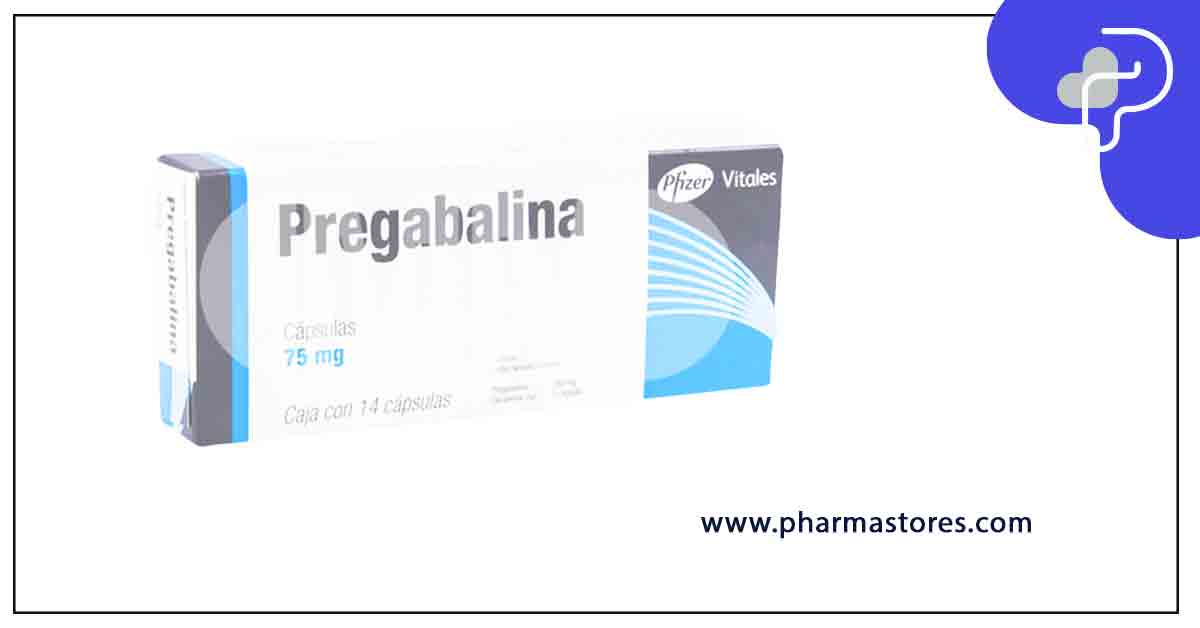
Stopping pregabalin
Table of Contents
Stopping pregabalin
Add to cart
This product has multiple variants. The options may be chosen on the product page
Thumbnail Name Categories Date Price Buy Lyrica pregabalin 150mg generic Pain relief £25.00 – £133.00
Pregabalin is used for the treatment of social anxiety disorder, as an add-on therapy with partial seizures, generalized anxiety disorder, neuropathic pain, and insomnia. The symptoms of stopping pregabalin are mild to moderate and resolve within one week after the discontinuation of pregabalin.
This topic highlights the importance of cautious monitoring of withdrawal symptoms during the period of tapping, and what are these symptoms?.
Pregabalin results in anxiolytic effects
through binding to a kind of receptors that prevent calcium influx to the cell and reduce the release of excitatory neurotransmitters.
Another predicted mechanism of action is that pregabalin resembles the inhibitory neurotransmitter called gamma-aminobutyric acid (GABA).
Pregabalin has a very high oral bioavailability with almost all the dose absorbed. pregabalin is eliminated by the kidneys with nearly no metabolism. Pregabalin has no significant interactions with other drugs.
The half-life of pregabalin is 5.5-6.7 hours, independent of dose and repeated dose administration. The most common dose-related adverse effects of pregabalin include dizziness, somnolence, and peripheral edema.

The symptoms of stopping pregabalin
have been reported in few case reports. One of them published in 2018 about a 62-year-old white female with a medical history of fibromyalgia, pancreatitis, migraine, general anxiety disorder, rheumatoid arthritis, cervical disc diseases, asthma, and unspecified depressive disorder was admitted to hospital with complaints of chest pain, insomnia, increased fearfulness aches, worsening of anxiety, diffuse body tremors, and extreme weakness of legs, dyspnea, palpitations, and dizziness. These symptoms started after stopping pregabalin by tapping the dose over several weeks.
The common symptoms of stopping pregabalin as reported in these cases are:
- diaphoresis
- tachycardia
- hypertension
- tremors
- diarrhea
- agitation
- paranoia
- auditory hallucinations
- mutism
- self-mutilation
- suicidal attempt
The mechanism of these symptoms
is similar to benzodiazepine and ethanol, where discontinuation increases the production of the enzyme responsible for producing GABA.
DEA (Drug Enforcement Administration) has classified Pregabalin as a schedule V drug due to its potential for abuse. Tapping a dose of Pregabalin is associated with an increased risk of delirium and confusion. The tapping should be gradually over one week to decrease the chance of withdrawal symptoms.
A recent study
showed that most people weren’t aware of how pregabalin can be addictive and what are the adverse consequences of its abuse.
In recent years the abuse of pregabalin has been increasing rapidly. The users reported some symptoms associated with it like euphoria and feelings of dissociation when they exceed normal therapeutic dosages.
A study published in Emergency Medicine Journal reports an increase in the number of emergency cases admitted with causes related to Pregabalin abuse. Most cases presented with seizures, some of them required intubation and ventilation before admission to the Icu. There is also evidence that pregabalin interacts with some opiates such as heroin and can lead to death due to overdose.
Complications of withdrawal symptoms:
Dehydration and electrolyte imbalance can occur due to prolonged diarrhea, nausea, vomiting, and increased sweating. Life-threatening heart problems can also occur with pregabalin withdrawal so if you have rapid heartbeats or palpitation, seek medical intervention.
If pregabalin is used as anti seizures, abrupt discontinuation of it can exacerbate seizures and lead to recurrence seizures which can be an emergency.
Rapid pregabalin stopping can lead to cravings and relapse, which can push the users to overdose.
Depression and suicidal thoughts are common psychological withdrawal symptoms.
Treatment of pregabalin addiction
Stopping pregabalin can be a serious problem for people who become addicted to it.
Addiction treatment criteria are different from person to person.
Treatment includes the following:
- Detox facilities: clinics where the abusers receive a safe detox period under professional medical supervision by a precise detox program.
Medical and Professional Counseling provides support during the whole duration of detox and monitors people for risks or complications.
- Inpatient treatment: patients are admitted to these units for 28 days to 3 months where they attend intensive groups and individuals besides medical and psychiatric treatment. The facility provides a safe and structured environment.
- Outpatient treatment: pregabalin abusers can receive support without the need to admit it, this support includes recovery programs allowing the patient to continue his normal activities and quarantine top-quality treatment in both group and individual therapy sessions.
- Partial hospitalization: This situation gives the patient the advantages of the outpatient program and allows them to continue normal daily activities with more time commitment than outpatient treatment.

Pregabalin V Gabapentin
Table of Contents
Pregabalin V Gabapentin
Gbabapentinoids:
Gabapentinoids are considered as a first-line treatment for neuropathic pain, however, Gabapentinoids are used for off-label conditions more than that for on-label use. This leads to increasing the risk of respiratory depression, especially when combined with opioids.
Pregabalin V Gabapentin:
- Uses: Both Pregabalin and gabapentin are antiepileptic drugs to treat nerve pains. In addition, they act as an adjunct treatment for seizures and postherpetic neuralgia.
Furthermore, Pregabalin is used to manage the pain related to fibromyalgia and neuropathic pain associated with diabetes.
Gabapentin may be used to treat nerve pain caused by shingles and for restless legs syndrome (RLS). Also, it has several off-label uses including the management of neuropathic pain, anxiety, insomnia, vertigo, skin itching, menopausal conditions hot flashes, migraine, and bipolar disorder.
- Whilst, Pregabalin has been classified as a controlled substance (have some potential for abuse and psychological dependence), Gabapentin is not. However, it was found that the Gabapentin abuse rate ranged from 40% to 65% in patients with previous drug abuse history or patients with prescription of the drug and about 15% to 22% in patients who abuse opioids.
- Absorption: Both Pregabalin and Gabapentin are similar in structure, however, Pregabalin may have better absorption (quickly and completely absorbed), and easier transport across cell membranes.

Pregabalin absorption
is extended from the small intestine to the proximal colon while Gabapentin absorption is limited to the small intestine.
Pregabalin reaches peak blood concentration within an hour post-dose while Gabapentin reaches peak blood concentration within 3 hours post-dose.
-
Bioavailability
(the amount of drug in the patient’s system): Pregabalin has the advantage that its bioavailability is constant regardless of the dose, while Gabapentin’s bioavailability changes with the increase of the dose as it decreases from 60% to 33% per day.
- Metabolism and Excretion: Mostly done by the kidney, but may cause renal failure in overdoses. Some cases reported drug-induced hepatotoxicity although they are not metabolized by the liver.
- Switch from Pregabalin to Gabapentin or vice versa: Neither Pregabalin can be used as an alternative for Gabapentin nor Gabapentin can be used as an alternative for Pregabalin unless
prescribed by the doctor, although both of them are Gabapentinoids.
-
Side effects:
Both Pregabalin and Gabapentin have common side effects such as dizziness, drowsiness, headache, memory or concentration issues, tremors, impaired balance, and vision problems (like blurred vision or double vision).
However, side effects more common with Pregabalin are dry mouth, edema (swelling), constipation, weight gain, or enlarged breast.
Other side effects are more common with Gabapentin like fever, risk of viral infections, difficulty in speaking, abnormal eye movements.
- Addiction: Pregabalin has higher addiction potential liability than Gabapentin due to its faster absorption and onset of action.
- Drug Interactions: both Pregabalin and Gabapentin have similar drug interactions however Gabapentin may also interact with non-steroidal anti-inflammatory drugs (NSAIDs) such as Diclofenac, Ibuprofen, and Naproxen.
- Mechanism of action: Both Pregabalin and Gabapentin have the same mechanism of action (they act in the same way) through the central nervous system.
- Misuse: Both Pregabalin and Gabapentin have been reported to enhance sociability feelings, euphoria (too much laugh), relaxation, and also stimulate psychological side effects of other drugs. The abuse potential of Pregabalin is higher than that of Gabapentin. Both Pregabalin and Gabapentin are associated with misuse, abuse, and withdrawal symptoms on stopping or reducing the dose of the drug.
Pregabalin V Gabapentin withdrawal symptoms:
Gabapentin withdrawal symptoms:
- Drowsiness
- Dizziness
- Fatigue
- Anxiety
- Insomnia (cannot sleep)
- Impairment of muscle movements
- Nausea
- Vomiting
- Sweating
Pregabalin withdrawal symptoms:
- Headaches
- Anxiety
- Sleep issues
- Nausea
- Diarrhea
- Sweating
Toxicity:
Gabapentin toxicity is more likely in patients with chronic kidney disorders. Patients on dialysis (a process of removal of waste products and excess fluids from the blood in patients with impaired kidney functions) have a higher toxicity risk. Patients on hemodialysis (entire blood circulation outside the body using a certain machine as a dialyzer to filter wastes, fluids, and salts from the blood) might require additional doses after dialysis because this process removes about 50-60% of Pregabalin and about 30% of Gabapentin.
Pregabalin V Gabapentin: Which is best for you?
Pregabalin and Gabapentin are both similar in structure, mechanism of action, and conditions approved to treat. However, according to studies Pregabalin is suggested to have more advantages than Gabapentin especially for certain types of pain.
The decision of drug choice in Gabapentinoids is referred to the health care provider responsible for you, concerning the medical condition, medical history, symptoms, age, lifestyle, other drugs, food type, and physical activities.
That’s why you should never share your prescription with other patients.

